
Welcome to West Palm Beach
West Palm Beach remains a premier destination for real estate investment, driven by its rapid transformation into "Wall Street South." The city’s favorable tax climate has spurred a massive influx of financial firms and high-net-worth individuals, creating a robust, high-income tenant base and a luxury market where pending sales have surged by 30%. This corporate migration ensures long-term capital appreciation and provides a strong buffer against broader economic volatility.
Furthermore, the current market offers a strategic entry point with stabilizing median prices and rental yields that consistently outperform national averages. Investors benefit from a diverse economy supported by record-breaking tourism and aggressive infrastructure development, such as the $500-million FAT Village. These factors, combined with Florida’s pro-business environment, offer a unique opportunity to secure high-yielding assets in a mature, high-growth urban center.
Overview for West Palm Beach, FL
9,493 people live in Palm Beach, where the median age is 69.7 and the average individual income is $211,607.
Data provided by the U.S. Census Bureau.
Around West Palm Beach, FL
Beyond the surface-level growth, West Palm Beach in 2026 is defined by a massive structural shift in the American economy. The city is currently leading a "permanent wealth migration," with over $126 million in capital moving from New York and California in the first 60 days of this year alone. This isn't just a residential trend; major institutions like BlackRock, Goldman Sachs, and Microsoft are cementing the city's "Wall Street South" status, driving office vacancy rates to the second-lowest in the nation and fueling a surge in high-wage job creation within the fintech and AI sectors.
From an investment standpoint, the market has matured into a "buyer-favorable" stabilization phase where the pandemic-era frenzy has been replaced by predictable value. Current data shows that while median home prices have settled around $505,000, the volume of homes sold has increased by 22%, indicating a healthy, highly liquid market. For those looking at new developments, the city is in the midst of its largest construction boom in decades, including the $1 billion NORA District and high-rise luxury projects like South Flagler House, which are transforming the skyline and creating a modern urban core that rivals major global metropolises.
0
WALK SCORE0
BIKE SCORE0
TRANSIT SCOREPoints of Interest
Explore popular things to do in the area, including Buccan, Worth Avenue, and The Breakers Golf Course.
Demographics and Employment Data for Palm Beach, FL
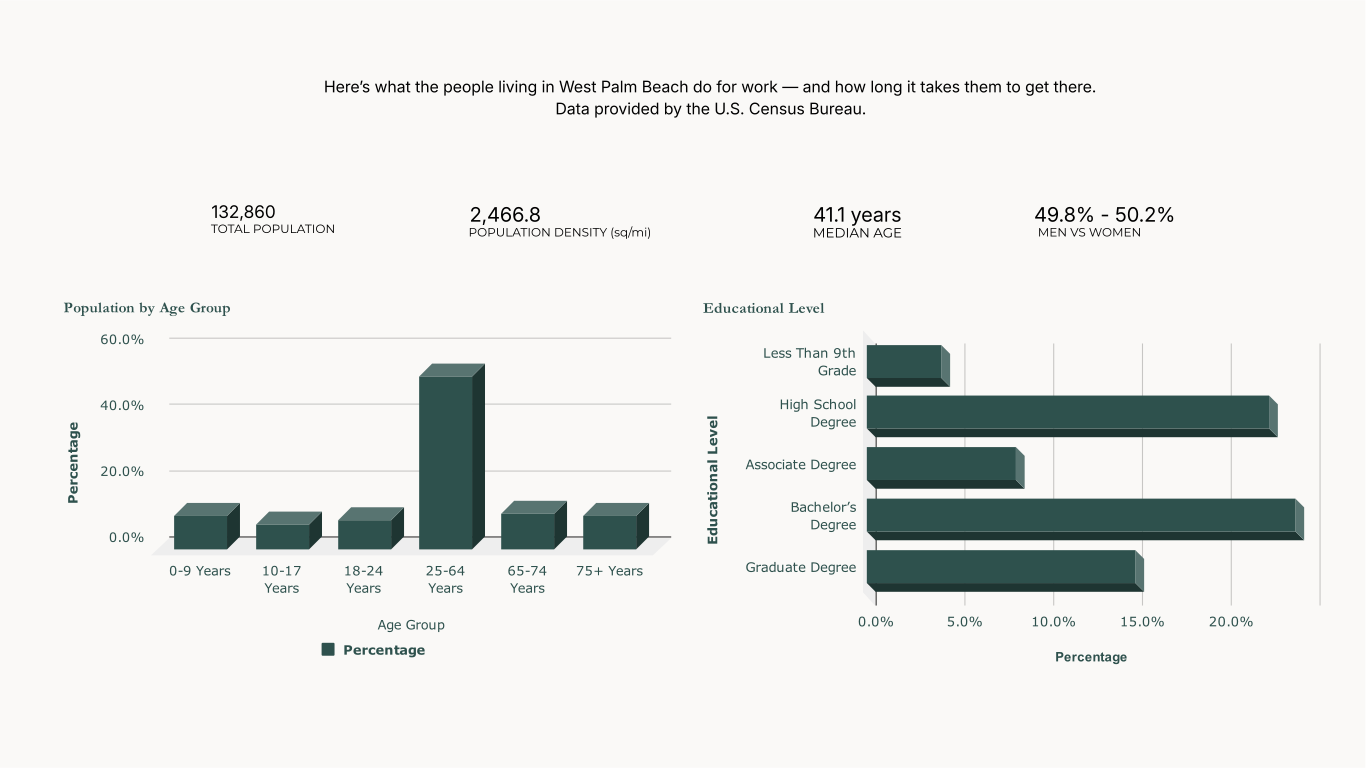
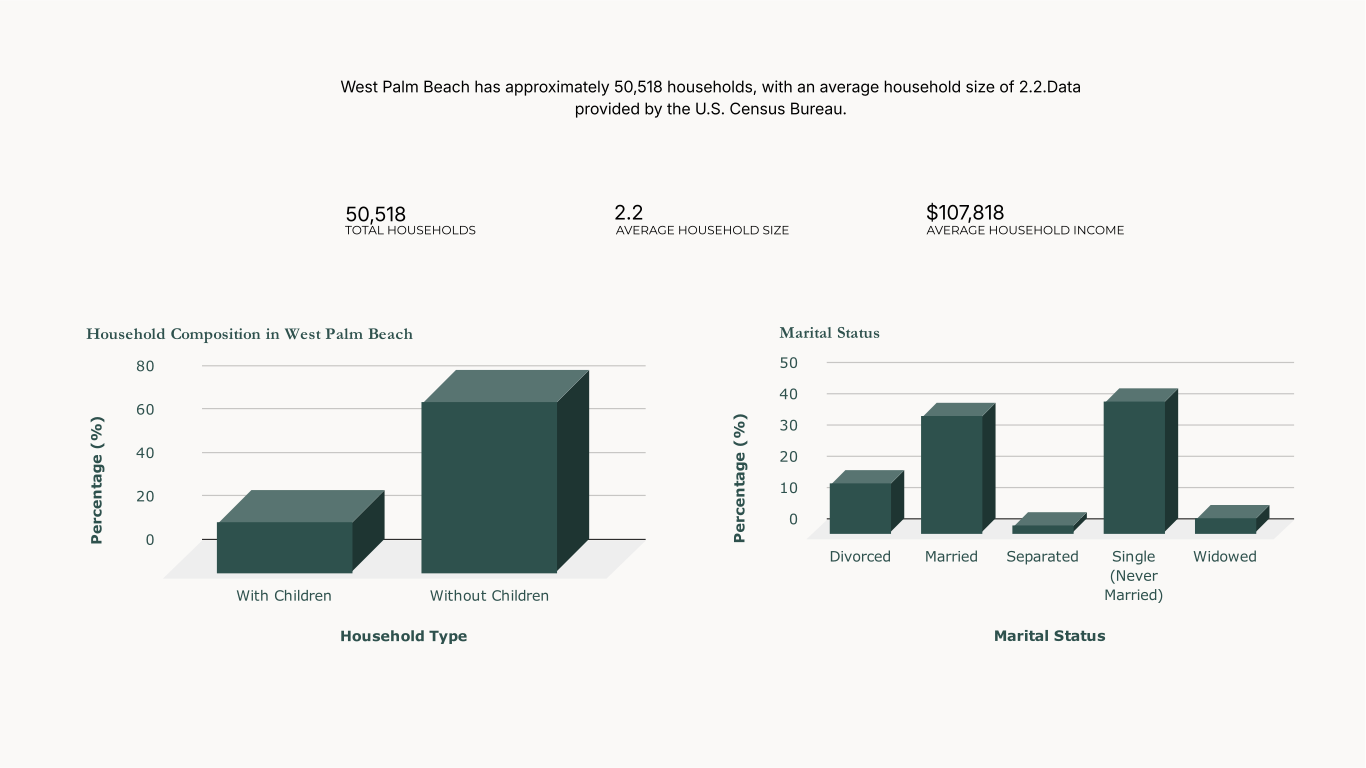
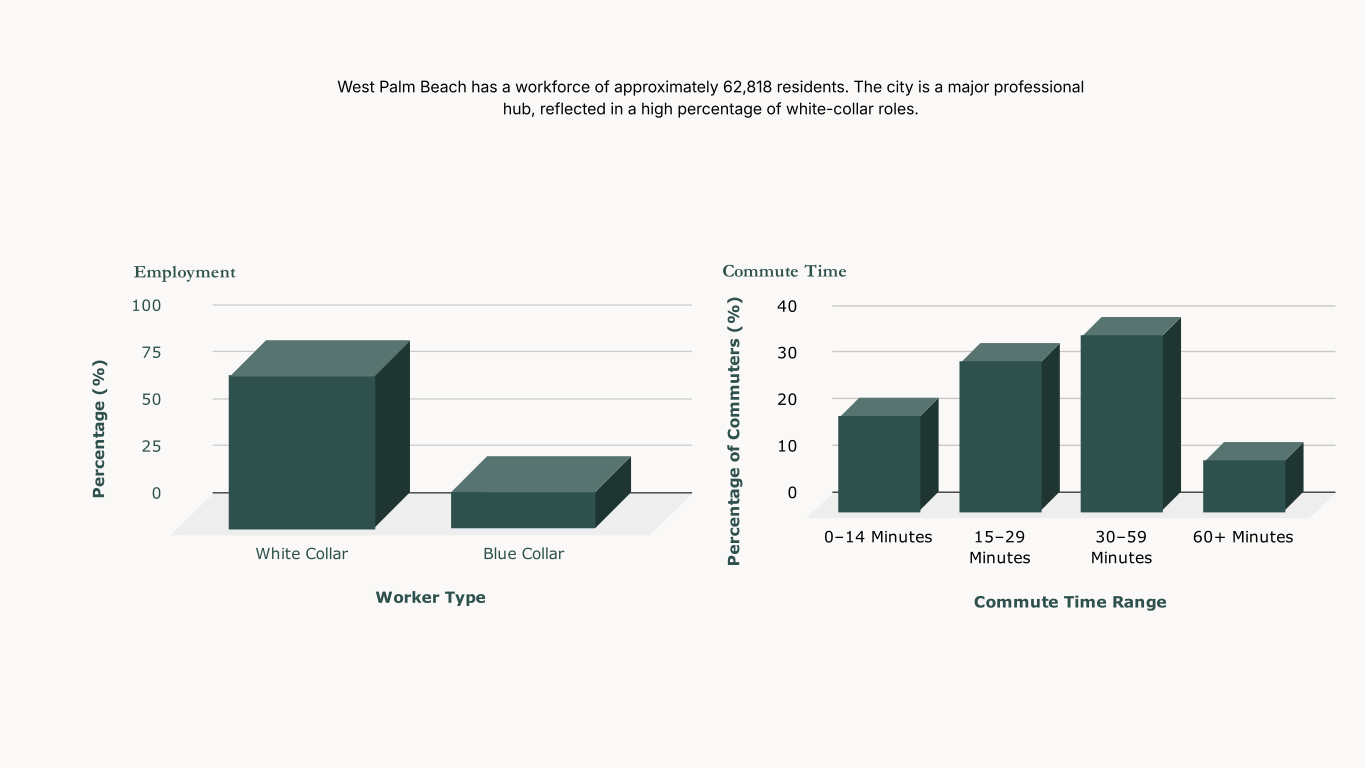
West Palm Beach is a dynamic and growing city in Florida with a diverse demographic profile. Approximately 132,860 people call West Palm Beach home. The population is characterized by a strong workforce and a growing residential base.
Schools in West Palm Beach, FL
The educational landscape in West Palm Beach is currently defined by a sophisticated "Dual-Track" system that caters to the city’s rapid transformation into a global financial and tech hub. High-performing public magnet institutions, such as the Alexander W. Dreyfoos Jr. School of the Arts, offer specialized, audition-based curricula that consistently rank among the top in the United States, providing a competitive alternative to private education. For families integrated into the "Wall Street South" corporate migration, elite private schools like American Heritage Schools and Oxbridge Academy provide rigorous, college-preparatory environments with a heavy emphasis on National Merit scholarship placement and high-level STEM innovation.
Strategic school selection in 2026 often hinges on the Palm Beach County "Choice" program, a lottery-based system that allows students to access premier International Baccalaureate (IB) and engineering tracks regardless of their residential zoning. While neighborhood schools like Palm Beach Public maintain prestigious "A" ratings, the demand for specialized magnet seats remains intense, with the late application window for the 2026–2027 academic year currently open through early May. This robust educational infrastructure acts as a primary draw for executive-level relocations, ensuring that the city's academic rigor matches its burgeoning economic status.